
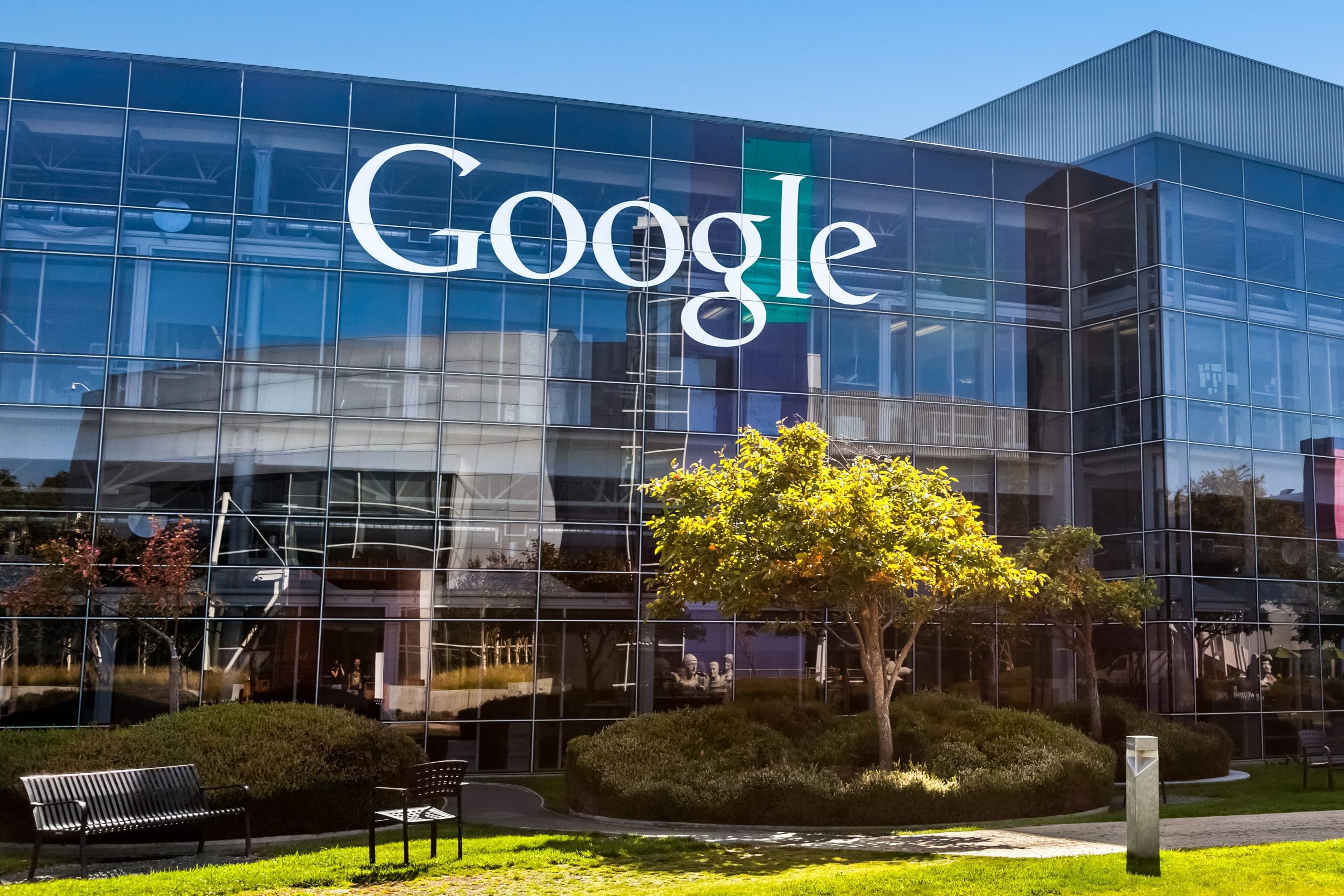
Investing in the stock market requires a thorough understanding of various companies, their sectors, and the overall economic landscape. Google, a subsidiary of Alphabet Inc., has established itself as a giant in the technology sector, driving innovation and growth across multiple domains. This article delves into the long-term growth potential of Google stock, analyzing its market dominance, innovations, financial performance, and the potential risks that investors need to consider. By understanding these facets, investors can make informed decisions regarding their investment in Google.
Market Dominance
Overview of Google’s Market Position
Google holds a commanding position in the digital advertising market, with an estimated share of over 28%. Its search engine, the most used globally, is central to its revenue generation model. Beyond search, Google has expanded into various sectors, including cloud computing, hardware, and mobile operating systems, creating a diverse revenue stream. The company’s ecosystem, including products like YouTube, Google Ads, and Google Cloud, is strategically integrated, which enhances user engagement and loyalty.
This dominant market position is not only a testament to Google’s innovative capabilities but also its strategic foresight in anticipating market trends. By leveraging data analytics and artificial intelligence, Google continuously improves its offerings, ensuring it remains relevant in an ever-evolving market landscape.
Competitive Landscape Analysis
The competitive landscape for Google includes major players like Amazon, Microsoft, and Facebook, each vying for market share in digital advertising and cloud services. Amazon, with its robust e-commerce platform, is a formidable competitor in the advertising space. Meanwhile, Microsoft’s Azure cloud services are increasingly challenging Google Cloud for enterprise clients. This competition necessitates continuous innovation and strategic pricing to maintain market share.
Despite these challenges, Google’s strong brand equity, extensive user base, and technological prowess provide a competitive edge. The company’s ability to integrate services and innovate rapidly positions it favorably against competitors. Moreover, Google’s investments in emerging technologies like machine learning and artificial intelligence contribute to its sustained competitive advantage.
Impact of Market Share on Growth Potential
Google’s substantial market share impacts its growth potential positively. With a large user base, the company benefits from economies of scale, allowing it to invest heavily in research and development. This investment fuels innovation, enabling Google to launch new products and services that drive additional revenue. Furthermore, a large customer base enhances data collection, which can be leveraged to improve advertising targeting and efficiency.
As competition intensifies, maintaining and growing market share becomes imperative. Google’s strategy to diversify its revenue streams through ventures like Google Cloud and YouTube enhances its resilience against market fluctuations. The ongoing expansion of digital advertising offers significant growth opportunities, especially in emerging markets where internet penetration is increasing.
Innovation and Diversification
Key Innovations and Technological Advancements
Innovation is at the core of Google’s business strategy. The company has consistently introduced groundbreaking technologies that reshape industries. For instance, Google’s advancements in artificial intelligence, particularly through its TensorFlow platform, have revolutionized machine learning applications across various sectors. This not only enhances Google’s product offerings but also positions the company as a leader in AI research and development.
Moreover, Google’s commitment to cloud computing has led to significant advancements in data storage and processing capabilities. Google Cloud’s focus on providing scalable solutions catering to businesses of all sizes reflects the company’s adaptability in meeting market demands. The introduction of AI-driven analytics tools has further solidified Google’s position in the competitive cloud landscape.
Diversification into New Markets and Services
Google’s diversification strategy is evident in its expansion into various sectors beyond its traditional core business. The development of Google Cloud, which has seen exponential growth, exemplifies this approach. By catering to a diverse clientele, including startups and large enterprises, Google is effectively mitigating risks associated with depending solely on advertising revenue.
Additionally, Google’s ventures into hardware with products like the Pixel smartphone and Nest smart home devices illustrate its commitment to broadening its market presence. This diversification not only enhances brand visibility but also creates synergies with existing services, fostering a comprehensive user ecosystem that encourages customer retention.
Strategic Acquisitions and Partnerships
Google has a history of strategic acquisitions that bolster its long-term growth potential. The purchase of YouTube in 2006 is a prime example, transforming Google into a leading player in online video content. This acquisition has not only generated significant advertising revenue but also created opportunities for content creators, enhancing the platform’s value proposition.
Moreover, partnerships with other tech firms and startups allow Google to leverage complementary technologies and expand its service offerings. Collaborative efforts in research and development foster innovation, enabling Google to remain at the forefront of technological advancements. These strategic moves underscore Google’s commitment to growth through diversification and alliances.
Financial Performance and Metrics
Review of Revenue Growth Trends
Google has historically demonstrated robust revenue growth, driven primarily by its advertising business. According to financial reports, Google’s revenue for 2022 reached approximately $282 billion, marking a significant increase from previous years. This growth trajectory is indicative of the company’s ability to capitalize on digital advertising trends, particularly as more businesses shift their marketing budgets online.
In addition to advertising, Google Cloud contributes substantially to overall revenue, with a growth rate exceeding 40% year-over-year. As businesses increasingly adopt cloud solutions, Google’s investment in this segment positions it well for sustainable revenue streams that are less susceptible to market volatility.
Profitability Analysis
Google’s profitability metrics are robust, with a consistent operating margin above 25%. This level of profitability is attributed to the company’s efficient cost management and the high-margin nature of its advertising business. The scalability of Google’s operations allows for significant profit retention, even as the company invests heavily in R&D and new ventures.
Furthermore, Google’s diversified revenue model mitigates risks associated with reliance on a single income source. By balancing high-margin advertising revenue with the growing contributions from Google Cloud and hardware sales, the company reinforces its financial stability and growth potential.
Valuation Metrics and Stock Performance
Google’s stock performance has historically been strong, reflecting its financial health and growth prospects. The price-to-earnings (P/E) ratio of Alphabet Inc. typically hovers around 25-30, which is competitive when compared to other tech giants. This valuation suggests that investors are willing to pay a premium for Google’s growth potential and market leadership.
Moreover, the company’s commitment to returning value to shareholders through share buybacks and dividends enhances its attractiveness as an investment. As Google continues to innovate and expand, analysts remain optimistic about its long-term stock performance, particularly in an increasingly digital economy.
Risk Factors and Challenges
Regulatory and Legal Considerations
As a global tech leader, Google faces significant regulatory scrutiny. Antitrust investigations in various jurisdictions, particularly in the U.S. and Europe, pose risks to its operations and business model. Regulatory actions could lead to fines or enforced changes in business practices, impacting revenue streams and market positioning.
Moreover, the evolving legal landscape regarding data privacy and user consent presents additional challenges. Compliance with regulations such as the General Data Protection Regulation (GDPR) necessitates continuous investment in legal and operational adjustments, which could affect profitability and growth strategies.
Market Volatility and Economic Factors
Market volatility poses inherent risks to Google’s stock performance. Economic downturns can lead to decreased advertising budgets, which would directly impact revenue. As businesses tighten their spending during uncertain economic times, reliance on advertising revenue may expose Google to greater financial risks.
<padditionally, fluctuations=”” in=”” global=”” markets,=”” currency=”” exchange=”” rates,=”” and=”” geopolitical=”” events=”” can=”” affect=”” google’s=”” international=”” operations=”” profitability.=”” investors=”” must=”” remain=”” vigilant=”” regarding=”” economic=”” indicators=”” market=”” trends=”” to=”” assess=”” the=”” potential=”” impacts=”” on=”” their=”” investments.<=”” p=””></padditionally,>
Technological Disruptions and Competition
Rapid technological advancements can pose existential threats to established companies like Google. The emergence of new technologies or platforms could disrupt Google’s business model, particularly in advertising and cloud services. Competitors are continuously innovating, and a failure to adapt to these changes could lead to a loss of market share.
Conclusion
In summary, Google presents a compelling investment opportunity characterized by its strong market position, innovative capabilities, and solid financial performance. The company’s strategies in diversification and strategic acquisitions position it well for future growth, even amidst regulatory and market challenges. Understanding these dynamics is crucial for investors seeking to capitalize on Google’s long-term growth potential.
FAQs
What is the growth potential of Google stock?
Google stock has significant growth potential due to its strong market position in digital advertising, robust revenue growth from Google Cloud, and continuous innovation in technology.
How does Google maintain its competitive advantage?
Google maintains its competitive advantage through a strong brand, extensive user base, strategic acquisitions, and continuous investment in research and development.
What risks should investors consider when investing in Google?
Investors should consider regulatory risks, market volatility, economic factors, and technological disruptions when investing in Google stock.
How does Google perform financially?
Google has demonstrated consistent revenue growth, high profitability margins, and a strong stock performance, making it an attractive investment option.
Is Google stock a good investment for long-term growth?
Given its market dominance, innovative capabilities, and diversified revenue streams, many analysts view Google stock as a strong candidate for long-term growth investments.


